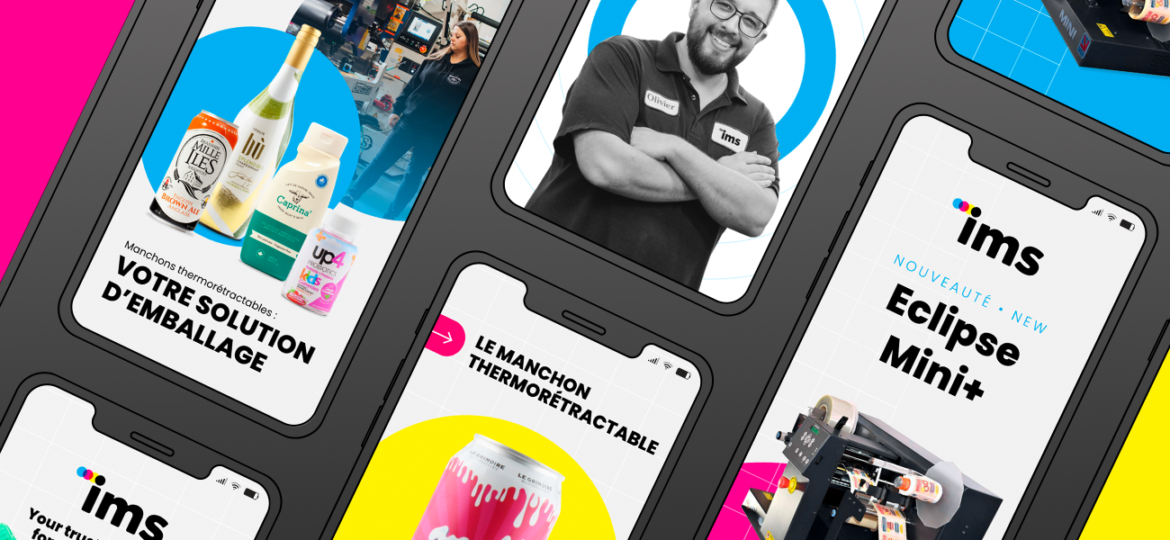
B2B Design: much more than esthetics
Today, B2B marketing has become much more sophisticated, with advanced targeting strategies like Account-Based Marketing (ABM). Nonetheless, a paradox remains: although marketing strategies are becoming more and more refined, when it comes to design, it is often still lifeless and strictly functional.
The recurring claim? In B2B, the audience is made up of professionals, not customers.
Major strategic mistake!
Behind every business you will find consumers exposed to the same visual trends and emotions as B2C customers. Ignoring this aspect is to underestimate the impact design can have on perception, engagement, and, ultimately, conversions.
Why is an inspiring design essential in B2B?
A polished design highlights your professionalism, your notoriety and, ultimately, your market position.
What good design can accomplish for your B2B brand
Make an immediate impact: A strong visual identity immediately draws attention.
Strengthen confidence: A clear and attractive visual communication reflects sincerity and commitment
Promote conversion: An intuitive user experience that makes it easier to understand your offer improves decision-making and retention.
Standout from the competition: A strong and unique visual identity allows you to anchor your brand in the minds of your clients and prospects.
Neglecting design in B2B: an impediment to success
Many businesses use their target market to justify their bland design.
“We are talking to professionals not customers.”
And yet, even decision makers are influenced by esthetics and user experience. Neglecting design, even in B2B, hurts your credibility vis-à-vis your competitors with a more modern and engaging image.
The consequences of an outdated design
Lost opportunities: An unattractive visual identity discourages prospects before they even read about your offer.
Disengagement: A website or communication tool with a poor visual structure makes visitors leave more quickly.
Misrepresentation of the brand: An outdated image can suggest that your brand is not innovative or dynamic.
How to make your B2B design captivating?
Streamline and rank information
- Avoid never-ending text blocks: bet on impactful titles and attractive visuals.
- Structure your messages with icons, lists and white spaces for readability.
Dare with visuals that make an impact
- Use modern colors and typefaces, in line with your brand identity.
- Integrate professional images and videos that reflect the quality of your products and services.
Optimize user experience (UX)
- Bank on fluid and intuitive navigation on your website.
- Ensure that your website is responsive.
Strengthen visual consistency
- Harmonize all your supports: website, presentations, pamphlets, advertising, social media, etc.
- Define a strong graphic chart to guarantee a cohesive and professional image.
H3 Example: a B2B website transformed through design
A typical B2B website is often overrun with technical information and has a rigid structure. Conversely, a site that is redesigned according to best practices will allow you to:
- Put forward your brand’s key messages with engaging visuals
- Draw viewers’ eyes with subtle contrasts and animations
- Promote interaction with strategically positioned call-to-action buttons.
Result? More conversions, more retention and more success!
Conclusion: give your B2B design the place it deserves
It is time to end the myth about design not having a place in B2B. A modern image that makes an impact can really drive your business’ sales and notoriety.A B2B professional, however serious, remains a consumer first whose emotions are influenced by the quality of the user’s experience.